Are Silicone Food Bags Really Safe? Here’s What the Research Says
Reusable silicone food bags are everywhere: in eco-shops, on influencers’ feeds, and in kitchen drawers. But before you toss out all your plastic bags, let’s dig into what science and experts say about their safety — and how to choose the right ones.
What are silicone food bags?
Silicone food bags are reusable storage bags made from food-grade silicone (often labeled “100% food-grade silicone”) and designed to substitute single-use plastic bags. They typically have a sealing zip or roll-top, are washable, and are pitched as eco-friendly, durable alternatives.
Why silicone? Because it’s flexible like plastic, durable like rubber, and heat resistant. Manufactures claim “free of BPA, PVC, phthalates, lead, latex.” But like all kitchen tools, the real safety depends on material grade, use, cleaning and lifespan.
Safety concerns & certifications
Here are the key points to consider:
- BPA/PVC/Phthalate-free: Most reputable silicone bags carry this label. But “food-grade” isn’t regulated globally — look for independent certification.
- Temperature rating: Silicone bags should list heating/boiling/oven-safe range (often up to ~220-260 °C/428-500 °F). Using a bag beyond its rating risks breakdown or chemical leaching.
- FDA & EU food-contact approvals: Many bags reference FDA 21 CFR 177.2600 (non-stick plastics) or EU regulation EC 1935/2004 (materials safe for food contact). Having these is a plus.
- Cleaning & durability: Silicone lasts longer than single-use plastics, but residue, oils, heat cycling and scratches can degrade any material. Longevity and hygiene matter.
Tip: Even the safest silicone bag will underperform if used as a freezer-to-microwave-to-oven container when it's not rated for all those uses.
What does research say?
While silicone bags are relatively new compared to plastics, several studies and expert reviews touch on aspects relevant to their safety:
Migration of chemicals from plastics & alternatives
One review found that high-heat plastics (including thin bags) can release phthalates or other plasticizers when stressed by heat or oils. Silicone, being more heat-stable, shows significantly lower migration in lab tests. PubMed.
Food-grade silicone performance
Food-grade silicone is defined by low toxicity and stability under heat. A 2018 lab study on silicone bakeware found minimal leaching of silicon or breakdown under standard use; however, extreme conditions (open flame, scorched oils) still matter. PubMed
Real-world kitchen practices matter
Even the best material fails if used incorrectly: over-heating, using abrasives, storing fatty residues. Consumer guides recommend rotating older bags and not assuming “forever reuse.”PubMed
In short: silicone bags appear safe when used as intended, but not all bags are equal — reading labels, checking temperature ratings and replacing when worn remain key.
How to pick safe silicone food bags
Here’s a practical buying checklist:
- Look for clear labeling: “food-grade 100% silicone”, “BPA/PVC/lead-free”, “approved for freezer, microwave, oven”.
- Check temperature rating: At least -40 °C to +220 °C (-40 °F to +428 °F) is good; higher is better if you’ll boil or oven-use.
- Examine sealing method: Slide zip, roll-top, pinch seal — sealing quality affects contamination and oil-trap cleaning.
- Look for capacity & thickness: Thicker silicone walls endure more cycles; thin bags may be less durable.
- Consider replacements & warranties: Some brands offer replacement programs after a certain number of uses or years.
At first glance, price can reflect quality here — ultra-cheap bags may cut corners on grade or durability.
Top 5 silicone food bag/related picks (Amazon links)
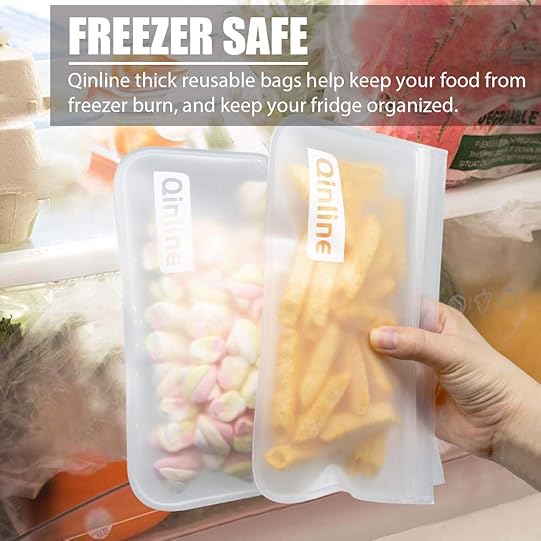
These are good-rated examples; choose size/configuration that fits your kitchen. Each includes an image — click the link to view details on Amazon.

 View on Amazon ›


Note: These are examples with good reviews; ensure the exact size/feature meets your storage needs.
Real-life example — how influencers & eco-chefs use silicone bags
Sustainability-minded chefs and influencers often show how silicone food bags become part of a low-waste kitchen routine. For example, eco-chef Anna Jones (UK) shared in her Instagram stories that she uses silicone bags for prepping veggies, freezing sauces in uniform-sized bags, and portioning leftovers, citing that they avoid single-use plastic and still maintain food safety. (See Instagram post by Anna Jones).
Another example: British chef and sustainability advocate Hugh Fearnley-Whittingstall has promoted reusable kitchen storage as part of his “River Cottage” waste-reduction campaigns. In interviews with The Guardian, he highlighted how using silicone food bags and glass containers helps cut plastic waste and encourages mindful portioning. He notes that “it’s not just about avoiding plastic — it’s about planning food and respecting it.”.The Guardian
These examples show that while the bags are trendy, the real benefit comes from how they’re used — portioning, reuse, cleaning and storage matter just as much as material.
Care & maintenance: making your silicone bags last safely
To get maximum life and safe use:
- Hand-wash or dishwasher per manufacturer instructions — many top bags are dishwasher safe (top rack).
- Avoid sharp knives inside the bag (use a bowl or cutting board) to prevent micro-tears.
- Inspect regularly for damage: any cracks, sticky residues, weird smell or discoloration = time to retire.
- Use one bag for raw meat/fish only if labelled safe for such; otherwise use dedicated bag to avoid cross-contamination.
- Dry thoroughly after each use — silicone dries quickly but if left sealed damp, any bag (like any container) can encourage microbial growth.
- Replace after ~2-3 years of heavy use or when seal weakens — part of a smart-kitchen mindset.
Pro tip: Keep a permanent marker on the freezer and label your bags with date & contents. Older bags are often the ones you forget and then use for long-term storage beyond recommended days.
FAQ — quick answers
A: They are not plastic in the sense of typical single-use plastics, and food-grade silicone shows very low migration of chemicals under tested conditions. That said, “food-grade” is not universally regulated the same way in all countries. Best practice: buy certified, follow usage instructions, and replace when damaged.
A: Only if the bag lists the rated temperature for oven use. Many are safe in microwave, boiling and even sous-vide, but not all are oven-safe at high temperatures (like above 400 °F). Always check manufacturer specs.
A: Yes — switching from single-use zip bags to reusable silicone can cut plastic waste significantly and save repeat purchases. The safety-tradeoff is minimal if used correctly, cleaned and replaced responsibly.
A: Storage time depends on food type, not bag material. Use the same food-safe storage rules (date-label, freeze if >3-4 days, avoid raw meat long-term). Material doesn’t extend shelf life by itself.
Conclusion
Reusable silicone food bags are a smart, eco-friendly choice — when used wisely. The research does not show major red flags for food-grade silicone in normal kitchen use, provided you check specs, avoid misuse, clean properly and replace when worn. They’re not miracle containers, but they help reduce waste and keep your kitchen healthier and cleaner.
Remember: good tools plus good habits = safer kitchen. Choose certified bags, dry them between uses, rotate older ones out, and keep an eye on damage. Combine that with portioning, labeling and smart storage practices and you’ll get the full benefit.
