Does Washing Produce Remove Pesticides? What Science Really Says
Why pesticides remain on produce in the first place
Pesticides are used during growing to protect crops from insects, fungi and weeds. Regulatory bodies set maximum residue levels (MRLs) for each compound, and routine monitoring in the European Union and other regions shows that most samples are within these limits. However, a fraction of fruits and vegetables still carry multiple residues at harvest, especially when grown conventionally.
Residues can be present in two main ways:
- On the surface – where droplets have dried or formulations have stuck to waxy skins and leaf surfaces.
- Partially inside – some systemic pesticides move into the outer layers of the peel or even the flesh.
Why this matters for washing:
- Surface residues are much more accessible to removal by rinsing and soaking.
- Systemic residues inside the tissues are less affected by external washing and are more influenced by peeling, trimming and cooking.
What washing can & cannot do according to research
Several reviews and controlled studies have looked at how different washing strategies change residue levels on fruits and vegetables.
Running water and rubbing: often 20–80% reduction
Guidance from food safety authorities such as the United States Food and Drug Administration (FDA) and national extension services emphasises a simple message: wash all fresh produce under running water, rubbing or gently brushing the surface. Studies and reviews find that this can remove a substantial portion of surface pesticides, dirt and microorganisms while having minimal effect on food quality.
Household washing methods can sometimes reach very high removal
A recent review of pesticide elimination methods reports that common household procedures such as rinsing, soaking and washing under running water can remove up to around 90% of certain residues, while peeling removes essentially all surface residues for most pesticides.
But no method is 100% for all pesticides
The National Pesticide Information Center (NPIC) summarises the bottom line clearly: no washing method is completely effective for every pesticide, because some compounds bind strongly to waxes or penetrate into tissues. Washing under running water still meaningfully reduces exposure and is recommended for all fruits and vegetables, including organic produce.
Science based washing methods: what really works
This is the core method recommended by FDA, USDA, CDC and many national agencies:
- Wash hands with soap and water before handling produce.
- Rinse fruits and vegetables under clean running water.
- Rub firm produce (apples, cucumbers, peppers) with hands or a clean vegetable brush.
- For delicate items (berries, leafy herbs), use a gentle flow and your fingers rather than a brush.
Running water and physical rubbing help dislodge dirt, microbes and a significant part of loosely attached residue.
One widely cited laboratory study in the Journal of Agricultural and Food Chemistry compared tap water, a chlorine bleach solution and a sodium bicarbonate (baking soda) wash for apples treated with two common pesticides. A baking soda solution (about one teaspoon in two cups of water) removed residues more effectively than the other methods, especially with soaking times of 12–15 minutes.
Later reviews and experiments confirm that baking soda solutions can remove a large fraction of certain surface residues on apples, cucumbers and leafy greens, though effectiveness varies by pesticide and produce type.
Practical approach at home:
- Fill a clean bowl with cool water.
- Add about 1 teaspoon baking soda per 2 cups of water.
- Soak firm produce (apples, potatoes, cucumbers) for 10–15 minutes.
- Gently rub during or after soaking, then rinse under running water.
Household recipes using diluted vinegar or salt water are popular. Some lab work suggests certain acidic or saline solutions can help remove specific pesticides, but results are inconsistent. A 2025 article and recent reviews emphasise that while these solutions may reduce residues further, they are not clearly superior to well executed washing and are not officially required by regulators.
If you choose to use vinegar or salt solutions:
- Keep concentrations modest (for example 1 part vinegar to 3 parts water).
- Limit soaking time to avoid changing taste or texture.
- Always rinse under plain running water afterwards.
Commercial fruit and vegetable washes commonly contain surfactants and other ingredients. However, FDA and multiple expert groups note that they have not been shown to be more effective than running water for reducing residues and microbes, and they are not necessary for safety.
Because produce surfaces can absorb some applied chemicals, agencies specifically advise against using soaps, detergents or unregulated cleaning products on fresh fruits and vegetables.
For some pesticides that accumulate mainly on the skin, peeling or removing the outer layers of leafy vegetables can virtually eliminate surface residues. A 2025 review on produce safety notes that peeling offers the highest level of residue removal, often close to 100% for surface bound compounds.
Tradeoff: peeling and heavy cooking can also remove fibre, vitamins and other beneficial compounds located in or near the skin, so this strategy is best used selectively for high residue items where you are particularly concerned.
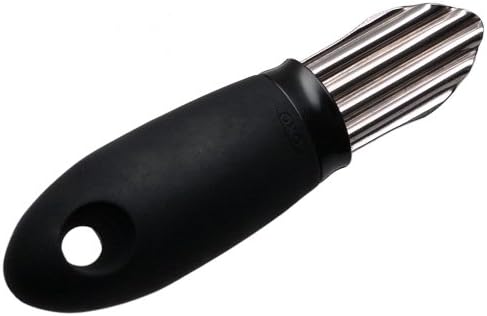
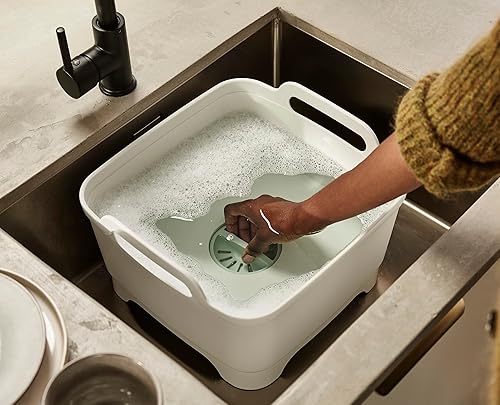
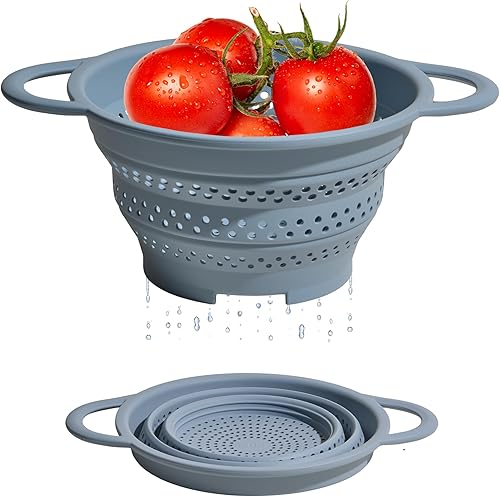
Helpful tools that make safe washing easier (Amazon)
While water and your hands do most of the work, a few simple tools make it easier to wash produce thoroughly and consistently.


Special cases: leafy greens, berries, waxed fruits and more
Leafy greens
Leafy vegetables tend to have relatively high risk of retaining residues because of their large surface area and the difficulty of peeling them. Recent comparative work on lettuce and other greens found that washing methods differed in performance, but careful rinsing, sometimes combined with soaking, still reduced residues substantially without damaging the leaves.
Practical routine for greens:
- Separate outer leaves and discard any damaged ones.
- Fill a clean bowl with cool water, immerse leaves and gently agitate.
- Lift leaves out (do not pour dirty water back over them).
- Rinse under running water and spin dry.
Berries and delicate fruit
Berries cannot be scrubbed, and long soaking can damage them. Authorities recommend rinsing just before eating: place berries in a colander, gently rinse under cool running water and allow to drain.
Waxed apples and firm fruits
Apples and some other fruits may have wax coatings that can trap residues in the outer layer of the skin. Experiments with baking soda soaks show that it can effectively remove certain pesticides from the surface layer of apples, though residues that have migrated deeper remain less affected.
Root vegetables
Carrots, potatoes and other root crops can carry soil, microbes and residues. For these:
- Trim any damaged areas.
- Scrub under running water with a vegetable brush.
- Peel if you want an extra margin of safety, especially for high residue items.
Frequently asked questions
Conclusion
Washing fruits and vegetables is one of the simplest, most effective daily actions you can take to reduce pesticide residues and microbes in your diet. Research shows that running water, physical rubbing and, in some cases, baking soda soaking meaningfully reduce surface residues, even though no method completely removes every compound in every situation.
At the same time, the larger body of evidence from monitoring programmes and risk assessments indicates that most produce on the market already meets strict safety standards. The realistic goal is not perfection, but lowering preventable exposure while still enjoying a wide variety of plant foods.
When you combine evidence based washing habits, selective peeling and trimming, and thoughtful choices for high residue crops, you support both food safety and nutritional quality without fear based thinking. Your kitchen becomes a place where simple routines protect your health quietly, day after day.
Scientific References
- Yang T, Leong W, Chang SKC et al. Effectiveness of commercial and homemade washing agents in removing pesticide residues on and in apples. Journal of Agricultural and Food Chemistry. 2017. Available at: https://pubs.acs.org/doi/10.1021/acs.jafc.7b03118
- Yang SJ, Ha J, Kim B et al. Effectiveness of different washing strategies in removing pesticide residues from leafy vegetables. Foods. 2022;11(19):3038. Available at: https://pmc.ncbi.nlm.nih.gov/articles/PMC9498324/
- Du X, Zeng X, Zhu Y et al. Efficacy of household and commercial washing agents in removing pesticide residues in fruits and vegetables: a review. Foods. 2025;14(2):318. Available at: https://www.mdpi.com/2304-8158/14/2/318
- Zander A. Guide to washing fresh produce. National Institute of Food and Agriculture (USDA). 2017. Available at: https://www.nifa.usda.gov/sites/default/files/resource/Guide%20to%20Washing%20Fresh%20Produce508.pdf
- Food and Drug Administration. 7 tips for cleaning fruits and vegetables. 2021. Available at: https://www.fda.gov/consumers/consumer-updates/7-tips-cleaning-fruits-vegetables
- National Pesticide Information Center. How can I wash pesticides from fruit and veggies Available at: https://npic.orst.edu/faq/fruitwash.html
- Sulimanec A, et al. How can simple household procedures reduce exposure to pesticide residues in fruits and vegetables A narrative review. 2025. Available at: https://pmc.ncbi.nlm.nih.gov/articles/PMC12193978/
- Tiryaki O. Effects of washing treatments on pesticide residues in fruits and vegetables. Journal of Agricultural Sciences. 2021. Available at: https://dergipark.org.tr/en/download/article-file/2563234
