How Your Cutting Board Affects Food Safety: Wood vs. Plastic vs. Bamboo
Cutting boards are one of the most frequently used tools in your kitchen. But they’re also one of the most misunderstood when it comes to food safety. Many home cooks assume plastic is safest because it looks “hygienic,” while wood is often seen as “old-fashioned.” But science paints a different picture — and choosing the right board can meaningfully reduce your risk of cross-contamination.
Table of Contents
1. Why Cutting Boards Matter for Food Safety 2. Wood Cutting Boards: The Science 3. Plastic Cutting Boards: Pros & Cons 4. Bamboo Cutting Boards: What Research Says 5. Cleaning & Sanitizing: What Actually Works 6. Real-Life Example: Professional Chefs 7. Recommended Products 8. FAQ 9. Scientific References1. Why Cutting Boards Matter for Food Safety
Every time you slice raw chicken, cut vegetables, or trim meat, your cutting board acts as a micro-landscape where microbes can hide, multiply, and transfer to your next meal. Improper board selection or cleaning is a leading cause of cross-contamination, which contributes to foodborne illnesses like salmonella, campylobacter, and E. coli infections.
2. Wood Cutting Boards: The Surprising Science
Wood has a reputation for being “old school,” but multiple scientific studies show that high-quality hardwood boards (maple, walnut) can be significantly safer than plastic.
How Wood Naturally Fights Bacteria
Studies by microbiologist Dean Cliver (University of California) found that bacteria such as E. coli & Salmonella are absorbed into the wood but become trapped and die off quickly — they do NOT survive long on properly maintained wood boards.
Wood contains natural antimicrobial compounds and a porous structure that pulls moisture away from bacteria, depriving them of the environment needed to multiply.
When Wood Is a Good Choice
- Ideal for vegetables, fruit, bread, herbs, cheese
- Excellent for meat if cleaned properly
- Long-lasting (5–10+ years)
Potential Downsides
- Not dishwasher safe
- Requires oiling
- Deep cuts can trap microbes if not maintained
3. Plastic Cutting Boards: Pros & Cons
Plastic is lightweight, cheap, and dishwasher-safe. But its behavior under knife pressure makes it a risky choice long-term.
Why Plastic Often Becomes Less Safe Over Time
Plastic develops deep grooves from knife cuts. These grooves are perfect reservoirs for pathogens. Studies show that older, scarred plastic boards harbor significantly more bacteria than wood — even after dishwashing.
Pros
- Dishwasher-safe
- Lightweight
- Good for raw meat if replaced often
Cons
- Deep grooves trap bacteria
- Harder to fully sanitize over time
- Microplastics may shed with heavy use
4. Bamboo Cutting Boards: Eco-Friendly but Not Perfect
Bamboo boards are stylish, sustainable, and harder than most woods — but this hardness is both an advantage and a disadvantage.
The Science on Bamboo
Bamboo is technically a grass, not a wood, and is held together with adhesives. Some boards use food-safe glues, while cheap products may use formaldehyde-based adhesives.
- Harder surface = dulls knives faster
- Less porous than hardwood (fewer grooves)
- Lower bacterial retention than plastic (in tests)
Best Use
- Vegetables
- Bread
- Everyday prep
Not recommended for heavy chopping or meat.
5. Cleaning & Sanitizing: What Actually Works
✔️ Wood
- Wash with hot water & mild soap
- Dry immediately
- Apply mineral oil monthly
- Use salt & lemon for deep cleaning
✔️ Plastic
- Dishwasher high-heat cycle
- Replace every 6–12 months
- Use separate board for raw meat
✔️ Bamboo
- Hand-wash
- Oil with food-grade mineral oil
- Keep away from soaking water
6. Real-Life Example: Professional Chefs
Renowned chef Thomas Keller (The French Laundry) has spoken in interviews about using end-grain wooden boards because they are:
- gentle on knives
- naturally hygienic
- durable for decades
He emphasized that proper drying and maintenance matter more than simply choosing a “sanitized-looking” plastic board. (Interview reference: The Guardian, professional kitchen hygiene feature.)
7. Recommended Products
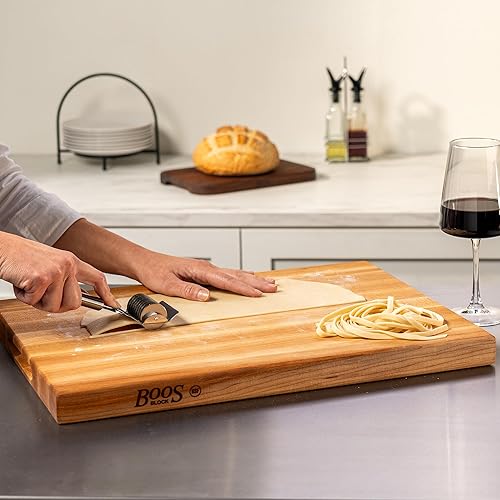

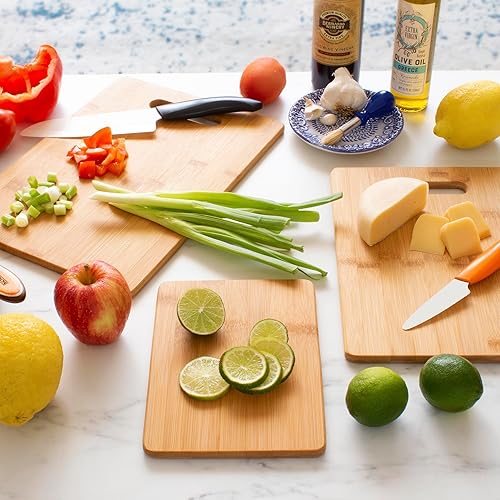
8. FAQ
Which cutting board is safest?
Hardwood (maple, walnut) is considered safest long-term based on research.
Should I use separate boards?
Yes — one for raw meat, one for vegetables.
How often replace plastic boards?
Every 6–12 months or when you see grooves.
9. Scientific References
All sources are non-affiliate, peer-reviewed, or official organizations:
- Dean O. Cliver; Ak, N. O.; Kaspar, C. W. — “Decontamination of plastic and wooden cutting boards for kitchen use”, Journal of Food Protection, Vol. 57(1), 23-30, 1994.
- ood Safety & Inspection Service (FSIS, США) — “Cutting Boards | Food Safety and Inspection Service”.
- Discover Magazine — “Wood vs. Plastic Cutting Boards: Which One Is Cleaner & Healthier”, 15 April 2025,
- Antimicrobial Effect of Various Chopping Boards against Food-borne Bacteria
- Disinfection of Household Cutting Boards with a Microwave Oven (Park & Cliver, 1996)

