How Your Fridge Temperature Affects Nutrition, Spoilage and Food Safety
Many home fridges are not as cold as people think. In surveys, a large share of households had fridge temperatures above the recommended level. At the same time, people tend to overload shelves, store hot leftovers incorrectly and keep ready-to-eat foods next to raw meat. All of these habits interact with temperature to shape how long food stays safe and nutritious.
This guide explains what science says about refrigerator temperature, how it affects microbes and nutrients and what you can do in a normal kitchen to improve safety. You will also find practical tools that help you measure and control your fridge environment more precisely.
What Is the Right Fridge Temperature?
The sweet spot: 1 – 4 °C (34 – 39 °F)
- Above 4 °C (39 °F): many bacteria grow faster and shelf life drops.
- Below 1 °C (34 °F): leafy vegetables and some fruits suffer chilling injury and texture damage.
- Freezer: keep at about −18 °C (0 °F) for long-term storage.
Thermostat dials on fridges are often vague. The only reliable way to know the real temperature is to place a separate thermometer on a middle shelf and check it regularly.
Cold Zones Inside the Fridge
Even if your fridge is set correctly overall, different spots can vary several degrees.
- Back of the lower shelves: usually the coldest.
- Door shelves: warmest, with frequent temperature swings when you open the door.
- Crisper drawers: slightly more humid, good for produce but sometimes a bit warmer.
Using these zones smartly is one of the easiest ways to improve both safety and quality.
How Temperature Shapes Food Safety and Spoilage
Microorganisms are the main reason foods spoil and become unsafe. Temperature strongly influences how fast they grow. Food safety agencies describe a general danger zone for perishable foods between about 5 – 60 °C (41 – 140 °F). Inside this band, most foodborne bacteria grow more quickly.
A fridge slows this growth but does not stop it completely. Some cold-tolerant bacteria can still multiply at typical refrigerator temperatures, especially if the fridge is slightly too warm or food is stored for a long time.
Key Pathogens of Concern in the Fridge
- Listeria monocytogenes: can grow at fridge temperatures, especially above about 4 °C. It is a serious risk for pregnant women, older adults and people with weakened immunity, particularly in ready-to-eat foods like deli meats and soft cheeses.
- Psychrotrophic spoilage bacteria: these cold-tolerant microbes do not always cause illness but do cause off odours, slime and texture changes in meat, fish and dairy, especially when fridges run warm.
- Slow growth of other pathogens: Salmonella and similar organisms grow poorly at proper fridge temperatures, but if food spends too much time in the upper range of the fridge (or in the door) before cooling, they can multiply before conditions get cold enough to slow them.
Small Temperature Differences, Big Safety Effects
From a human perspective, 4 °C and 8 °C both feel cold. For bacteria, that difference is huge. Laboratory studies show that many cold-tolerant microbes double significantly faster at 7 – 8 °C than at 2 – 3 °C. Over several days, this means a much higher bacterial load at the warmer setting.
That is why food safety authorities emphasise keeping fridges at or below about 4 °C rather than simply saying "keep food cold". The exact rate depends on the organism, food type and time, but the direction is clear: every extra degree in the fridge speeds up spoilage and can reduce safety margin for high-risk foods.
Fridge Temperature and Nutrition
Refrigeration does more than affect safety. It also influences how vitamins, pigments and flavours change over time. In general, cooler storage slows the reactions that destroy nutrients, but long storage still leads to gradual loss.
Vitamin Loss During Refrigerated Storage
Several studies on fresh produce show that vitamin C and some B vitamins are quite sensitive to storage time and temperature. Even in the fridge, fragile nutrients can decline significantly over a week.
- Leafy greens and herbs: lose vitamin C and folate over days. Slightly higher temperatures and poor humidity control speed up wilting and nutrient loss.
- Cut fruit: pre-cut fruit has damaged cell structures and more surface exposure. Even when chilled, vitamin C declines faster than in whole fruit.
- Cooked vegetables: already lost some heat-sensitive vitamins during cooking. Long fridge storage continues that process, especially if containers are not airtight.
On the positive side, these losses are still slower in a properly cold fridge than on the counter. For most people, the fridge is essential to preserve both food safety and much of the original nutrition.
Protein Foods: Quality and Oxidation
Meat, fish and poultry are very sensitive to both microbial growth and chemical changes such as fat oxidation. When the fridge runs warm, spoilage odours appear sooner and colour changes faster. Some highly unsaturated fats in fish can become rancid if storage is prolonged, even when chilled.
Keeping these foods as close as practical to 0 °C without freezing slows both spoilage and oxidation. That is why professional kitchens often have very cold dedicated meat fridges and use foods quickly instead of storing for long periods.
Does Colder Always Mean Better for Nutrition?
Not always. Extremely low temperatures in the fridge (near freezing) can damage texture of delicate produce like cucumbers or lettuce. Ice crystals can form in cells, leading to watery texture after thawing. For these foods, the ideal is cool but not freezing and high relative humidity in the crisper drawers.
Common Fridge Mistakes That Undermine Safety
1. Trusting the Dial but Never Measuring
The internal thermostat dial is often labeled with vague numbers or symbols rather than actual temperatures. Manufacturing tolerances, door opening habits and how full the fridge is all influence the final temperature. A simple appliance thermometer on a middle shelf gives a much clearer picture.
2. Storing Food in the Door That Needs the Coldest Temperatures
The fridge door experiences the biggest swings in temperature when you open and close it. That makes it a poor place for milk, raw eggs in cartons, raw meat or ready-to-eat meals. These items are safer on inner shelves.
3. Overloading Shelves and Blocking Air Flow
When containers are packed tightly together, cold air cannot circulate properly. Some zones become too warm, especially near the front or on crowded top shelves. Leaving some space between items helps maintain more even temperature and slows spoilage.
4. Putting Hot Food Straight Into a Small Fridge
Large pots of hot soup or big trays of cooked food placed directly in the fridge can temporarily warm the internal air and nearby foods. The safer method is to divide hot food into shallow containers, let it cool briefly at room temperature for a short period and then place in the fridge so that both cooling and internal fridge temperature remain within safe limits.
5. Keeping Food Too Long, Even if It Still Looks Fine
Some bacteria do not change the smell or appearance of food but can still cause illness. Ready-to-eat leftovers should generally be eaten within a few days when stored at proper fridge temperatures. Sliced deli meats, opened smoked fish and soft cheeses have limited shelf lives even when cold.
Practical Temperature Habits for a Safer, More Nutritious Fridge
- Place a thermometer on a middle shelf and aim for about 3 – 4 °C (37 – 39 °F).
- Check temperature after adjusting the dial and again after loading the fridge after shopping.
- Keep raw meat and fish on the bottom, in leak-proof containers, away from ready-to-eat foods.
- Store milk and other sensitive foods on inner shelves, not in the door.
- Label leftovers with the date and plan to eat or freeze them within several days.
- Clean spills promptly and wipe fridge seals regularly to maintain efficiency.
Helpful Tools to Control Fridge Temperature and Food Quality
These product ideas can help you turn your fridge into a more controlled, food-safe environment. Links are examples of what to look for on Amazon and similar stores.

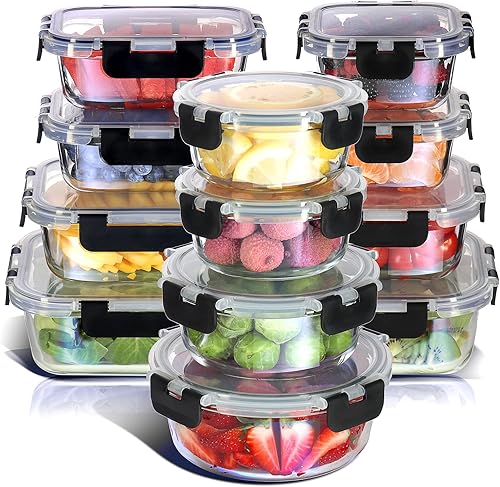


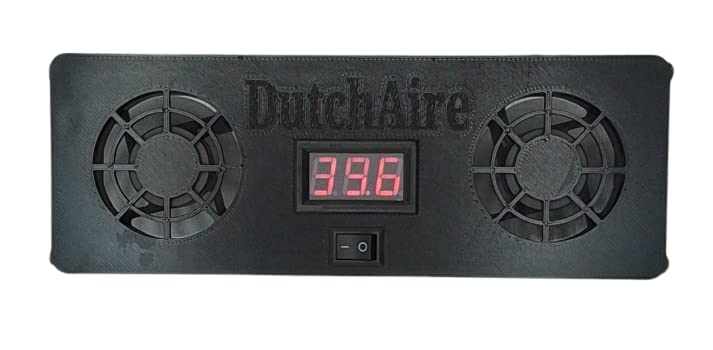
Real-World Kitchen Example
Imagine two similar families. Both cook at home regularly and store leftovers in the fridge. One family keeps the fridge packed, rarely checks the setting and puts hot pots inside right after dinner. Milk and ready-to-eat meats are stored in the door for convenience. They often throw away food because it smells off after only a couple of days, and they occasionally experience stomach upsets that they blame on restaurants.
The other family uses a small digital thermometer, adjusted their fridge dial until the reading settles near 3 °C and keeps raw meat on the bottom shelf in sealed containers. Leftovers are cooled in shallow dishes and labeled with dates. Milk and sensitive foods live on a middle shelf. They still enjoy the same meals but report fewer spoilage problems, less food waste and a lower risk of foodborne illness.
The only difference is how they manage temperature and storage habits. The second family did not change what they eat. They changed how they use the fridge, and that change improves both safety and nutrition over time.
FAQ: Quick Answers About Fridge Temperature
At least once or twice per week and any time you change the dial setting, move the fridge, have a power outage or notice unusual condensation or ice buildup.
Safety depends on how quickly leftovers were cooled, the final fridge temperature and the food type. Many food safety guidelines recommend using most cooked leftovers within a few days when stored at or below about 4 °C. For longer storage, freezing is safer.
Short, frequent openings are usually not a major problem if the fridge is set cold enough and not overloaded. Long open times or very frequent door opening can warm the interior and especially the door shelves, which is another reason not to store the most sensitive foods in the door.
It is safer to store raw meat below other foods so that any drips cannot contaminate ready-to-eat items. Use trays or containers to catch juices and keep them from spreading on shelves.
A slightly colder fridge uses some extra energy, but modern efficient models can maintain safe temperatures without large cost increases. Preventing food waste and avoiding illness are strong reasons to keep temperatures within the recommended range.
Conclusion
Your fridge temperature is a quiet but powerful factor in your daily health. When it is correct, bacteria grow more slowly, leftovers stay safe longer and nutrients are better preserved. When it drifts too warm or when storage habits are poor, the risk of foodborne illness rises and food spoils more quickly.
The good news is that you do not need any complicated technology to improve your situation. A simple thermometer, thoughtful organisation and a few well-chosen tools are enough to turn your fridge into a more reliable, food-safe environment. Combine these with sensible timing for leftovers and you create a kitchen routine that supports both safety and nutrition with very little extra effort.
Disclaimer: This article is for informational purposes only and does not replace professional medical or food safety advice. Always follow local food safety regulations and consult qualified professionals when needed. We do not accept responsibility for any consequences resulting from the use of the information provided here.
Scientific References
- United States Department of Agriculture, Food Safety and Inspection Service (USDA FSIS). “Refrigeration & Food Safety.” Link.
- Foodsafety.gov (USDA, HHS). “Cold Food Storage Chart.” Link.
- Centers for Disease Control and Prevention (CDC). “Listeria (Listeriosis): Sources, Outbreaks, and Prevention.” Link.
- European Food Safety Authority (EFSA). “Scientific Opinion on the public health risks of Listeria monocytogenes in ready-to-eat foods related to refrigerated storage.” EFSA Journal. Link.
- Taoukis, P. S., et al. “Refrigeration and food safety: time–temperature effects on microbial growth and shelf life.” International Journal of Food Microbiology. Link.
- Rickman, J. C., Barrett, D. M., & Bruhn, C. M. “Nutritional comparison of fresh, frozen and canned fruits and vegetables.” Journal of the Science of Food and Agriculture. Link.
- Lee, S. K., & Kader, A. A. “Preharvest and postharvest factors influencing vitamin C content of horticultural crops.” Postharvest Biology and Technology. Link.
- Evans, J. A., et al. “Domestic refrigerator temperatures and the implications for food safety and energy use.” Journal of Food Engineering. Link.

