Is High-Heat Searing Unhealthy? HCAs & PAHs Explained
Why High-Heat Searing Is So Popular
Few cooking techniques are as satisfying as a perfectly seared steak. That dark crust, the rich aroma, and the intense savory flavor are the result of the Maillard reaction — a complex chemical process between amino acids and sugars that occurs at high temperatures. Professional chefs rely on high heat to create depth of flavor, texture contrast, and visual appeal.
But in recent decades, scientists began investigating whether high-temperature cooking methods — especially grilling, pan-searing, and broiling — may produce compounds linked to health risks. Two groups of chemicals frequently discussed are heterocyclic amines (HCAs) and polycyclic aromatic hydrocarbons (PAHs).
What Are HCAs?
Heterocyclic amines form when muscle meats such as beef, pork, poultry, or fish are cooked at high temperatures. According to the National Cancer Institute, HCAs develop when creatine, amino acids, and sugars react during intense heat exposure.
Laboratory studies show that certain HCAs can cause DNA changes in animal models. However, it is important to note that exposure levels in experimental settings are often significantly higher than typical human dietary intake.
What Are PAHs?
Polycyclic aromatic hydrocarbons form when fat and juices drip onto open flames, creating smoke that deposits PAHs onto the surface of food. PAHs are more commonly associated with grilling over charcoal or direct flame exposure.
The International Agency for Research on Cancer has classified some PAHs as carcinogenic under certain exposure conditions. Again, risk depends on dose, frequency, and overall dietary patterns.
Does Searing Automatically Mean Danger?
Not necessarily. The presence of HCAs and PAHs does not automatically translate to disease. Risk is influenced by cumulative exposure over time, cooking frequency, and overall lifestyle factors such as fruit and vegetable intake, smoking, and physical activity.
Epidemiological research shows mixed findings. Some studies suggest an association between high intake of well-done meats and certain cancers, while others show minimal or no direct correlation when controlling for confounding variables.
Real-World Example: Culinary Professionals & High Heat
Chef Gordon Ramsay is widely known for emphasizing high-heat searing in steak preparation. In interviews and televised cooking demonstrations, he highlights achieving a deep crust quickly while avoiding prolonged exposure to flame. This reflects a technique-based approach: intense heat for shorter durations rather than extended charring.
Professional kitchens often combine high heat with ventilation systems and precise temperature control to limit excessive smoke production.
How to Reduce HCA & PAH Formation
1. Avoid Excessive Charring
Heavily blackened or burnt portions contain higher concentrations of HCAs and PAHs. Trimming charred sections reduces exposure.
2. Marinate Meat
Research suggests that antioxidant-rich marinades containing herbs, garlic, or citrus can significantly reduce HCA formation.
3. Cook at Moderate High Heat, Not Extreme Heat
Achieving a sear does not require maximum burner settings. Controlled high heat reduces smoke and flare-ups.
4. Flip Frequently
Turning meat regularly can reduce surface temperature spikes and lower HCA formation.
Cookware & Tools That Help Control Heat
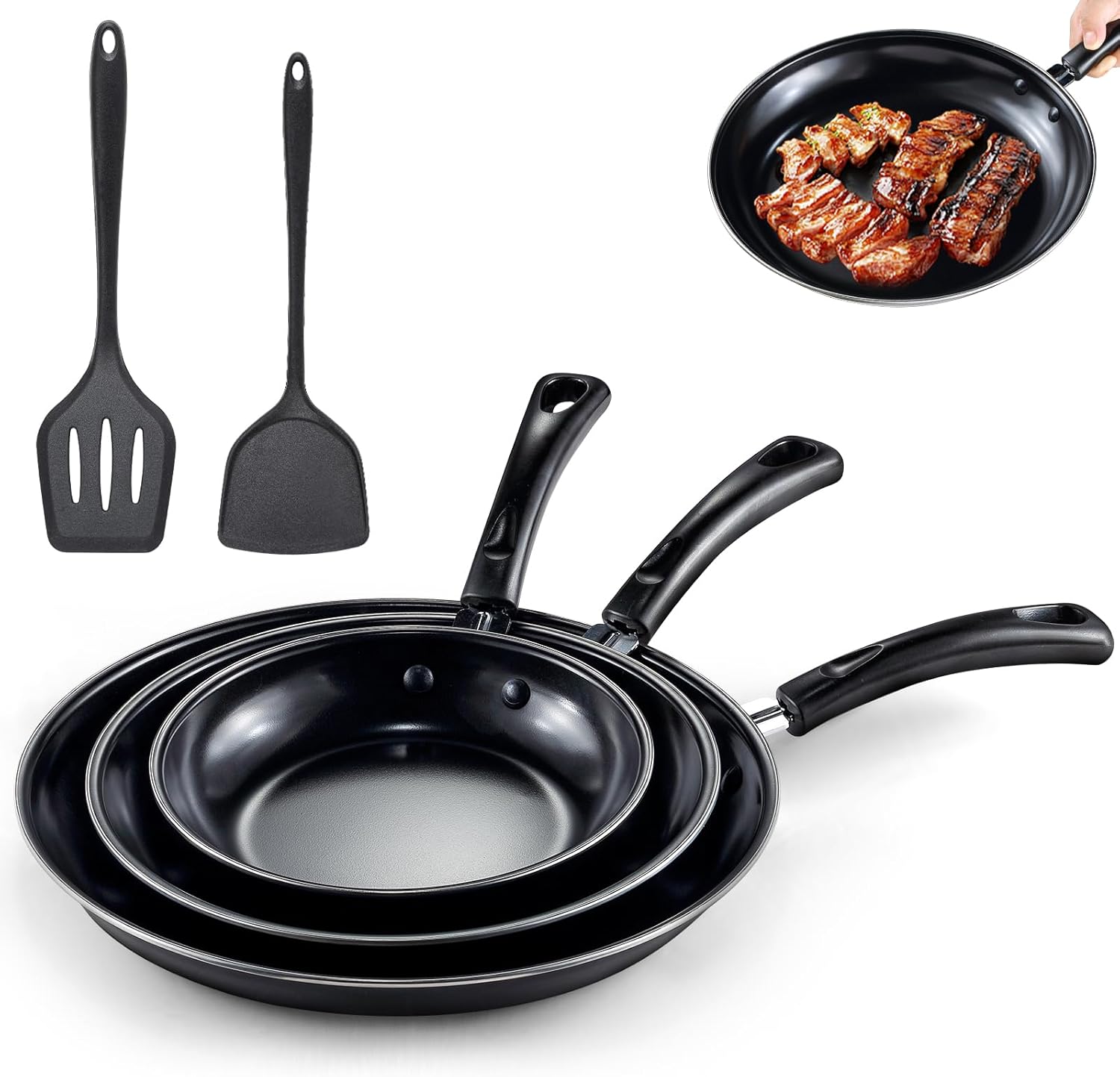
Carbon Steel Skillet
Provides excellent heat control and even searing while minimizing prolonged overheating.

Instant-Read Digital Meat Thermometer
Helps avoid overcooking by ensuring precise internal temperatures without excessive surface burning.

Refined Avocado Oil (High Smoke Point)
Stable at higher temperatures, reducing smoke and degradation compared to lower smoke point oils.

Indoor Grill Pan with Splatter Guard
Reduces grease splatter and flare-ups that contribute to PAH formation.

High-Power Kitchen Ventilation Fan
Improves indoor air quality by removing smoke and airborne particles during high-heat cooking.
Balancing Flavor & Health
Completely avoiding high-heat cooking is unnecessary for most people. Moderation, proper ventilation, balanced diets rich in antioxidants, and avoiding chronic overconsumption of heavily charred meats are more realistic and evidence-based strategies.
Vegetables, fruits, and fiber-rich foods may help counteract oxidative stress associated with dietary carcinogens.
Conclusion
High-heat searing creates exceptional flavor through the Maillard reaction, but it can also generate HCAs and PAHs under certain conditions. The key factor is not occasional searing but repeated, excessive charring without ventilation or temperature control.
Using stable oils, proper cookware, precise thermometers, and adequate ventilation significantly reduces potential risks while preserving culinary quality.
Scientific Sources
- National Cancer Institute – Chemicals in Meat Cooked at High Temperatures and Cancer Risk
- International Agency for Research on Cancer – Monographs on PAHs
- Journal of Agricultural and Food Chemistry – Formation of Heterocyclic Amines in Cooked Meat
- Environmental Health Perspectives – Dietary Exposure to HCAs and PAHs
Disclaimer: This article is for informational purposes only. We do not assume responsibility for individual dietary or cooking decisions.

