Why Extra Virgin Olive Oil Belongs in Every Kitchen
Walk into almost any Mediterranean kitchen and you'll probably notice one ingredient sitting within easy reach: a bottle of extra virgin olive oil.
It is poured over fresh salads, drizzled onto roasted vegetables, mixed into homemade dressings, stirred into soups, and even used for cooking everyday meals.
For thousands of years, extra virgin olive oil has been far more than just another cooking fat. Today, modern nutrition science continues to support many of the reasons it has remained a staple of healthy cuisines around the world.
Unlike highly refined vegetable oils, extra virgin olive oil is produced using minimal processing, allowing it to retain natural antioxidants, plant compounds, vitamins, and its distinctive flavor.
But is it really healthier than other oils? Can you cook with it? Does heating destroy its benefits?
Let's explore what science actually says.
Table of Contents
- What Makes Extra Virgin Olive Oil Different?
- How Extra Virgin Olive Oil Is Made
- Its Nutritional Profile
- Why Scientists Continue to Study Olive Oil
- Health Benefits Supported by Research
- Choosing High-Quality Olive Oil
What Makes Extra Virgin Olive Oil Different?
Not all olive oils are created equally.
The term extra virgin olive oil (EVOO) refers to the highest quality grade of olive oil available.
To earn this designation, the oil must meet strict international standards related to extraction methods, flavor, aroma, and chemical composition.
Unlike refined oils, extra virgin olive oil is extracted mechanically without excessive heat or chemical solvents.
This gentle process helps preserve naturally occurring nutrients and bioactive compounds.
Extra virgin olive oil is essentially fresh olive juice that has been pressed and filtered with minimal processing.
How Extra Virgin Olive Oil Is Produced
The journey from olive grove to kitchen is surprisingly straightforward.
Step 1: Harvesting
Olives are picked when they reach optimal ripeness. Harvest timing influences both flavor and nutritional composition.
Step 2: Washing
The fruit is cleaned to remove leaves, dust, and small branches.
Step 3: Crushing
The olives are crushed into a paste using mechanical equipment.
Step 4: Mixing
The paste is gently mixed, allowing tiny oil droplets to combine into larger ones.
Step 5: Separation
Centrifugal systems separate the oil from water and solid material.
Step 6: Storage
The finished oil is stored in stainless steel tanks protected from heat, oxygen, and excessive light until bottling.
High-quality extra virgin olive oil begins losing freshness immediately after production. Proper storage helps preserve both flavor and nutritional value.
The Nutritional Profile of Extra Virgin Olive Oil
Extra virgin olive oil contains much more than healthy fat.
It also provides naturally occurring compounds that researchers continue to investigate for their potential role in supporting overall health.
Healthy Monounsaturated Fat
Approximately 70–75% of extra virgin olive oil consists of oleic acid, a monounsaturated fatty acid that has been widely studied as part of healthy dietary patterns.
Vitamin E
Vitamin E functions as an antioxidant that helps protect cells from oxidative stress.
Vitamin K
Extra virgin olive oil contains small amounts of vitamin K, which contributes to normal blood clotting and bone health.
Polyphenols
Perhaps the most fascinating components are its natural polyphenols.
These plant compounds contribute to the oil's slightly peppery taste and are one reason researchers continue to study olive oil extensively.
The slight peppery sensation you sometimes notice at the back of your throat is often a sign of naturally occurring polyphenols rather than poor-quality oil.
Why Scientists Continue Studying Olive Oil
Extra virgin olive oil is one of the most researched foods in nutritional science.
Instead of studying olive oil in isolation, researchers often examine it as part of the traditional Mediterranean dietary pattern.
This eating pattern consistently appears in studies investigating long-term health outcomes.
Scientists believe that olive oil works together with vegetables, legumes, whole grains, fruits, fish, and nuts rather than acting as a miracle food by itself.
Nutrition scientists increasingly emphasize overall dietary patterns rather than individual "superfoods." Extra virgin olive oil is valuable because it fits naturally into a balanced, whole-food diet.
Science-Backed Reasons to Keep Extra Virgin Olive Oil in Your Kitchen
1. Rich Source of Healthy Fat
Replacing foods high in saturated fat with sources of unsaturated fats is widely recommended by many nutrition organizations.
2. Naturally Rich in Antioxidants
Polyphenols and vitamin E help protect the oil itself from oxidation while contributing antioxidant compounds to the diet.
3. Versatile in Everyday Cooking
Extra virgin olive oil works equally well in salad dressings, roasted vegetables, marinades, soups, pasta dishes, homemade sauces, and many baking recipes.
4. Excellent Flavor
Its fruity, slightly peppery taste often allows cooks to use fewer heavy sauces while adding depth to meals.
Using flavorful ingredients like extra virgin olive oil makes healthy cooking more enjoyable, which helps people maintain nutritious eating habits over the long term.
A Kitchen Tool That Makes Olive Oil Easier to Use
Many home cooks accidentally pour far more oil than intended.
A quality glass oil sprayer allows you to distribute olive oil evenly across vegetables, salads, baking trays, or cookware while giving you greater control over portion size.
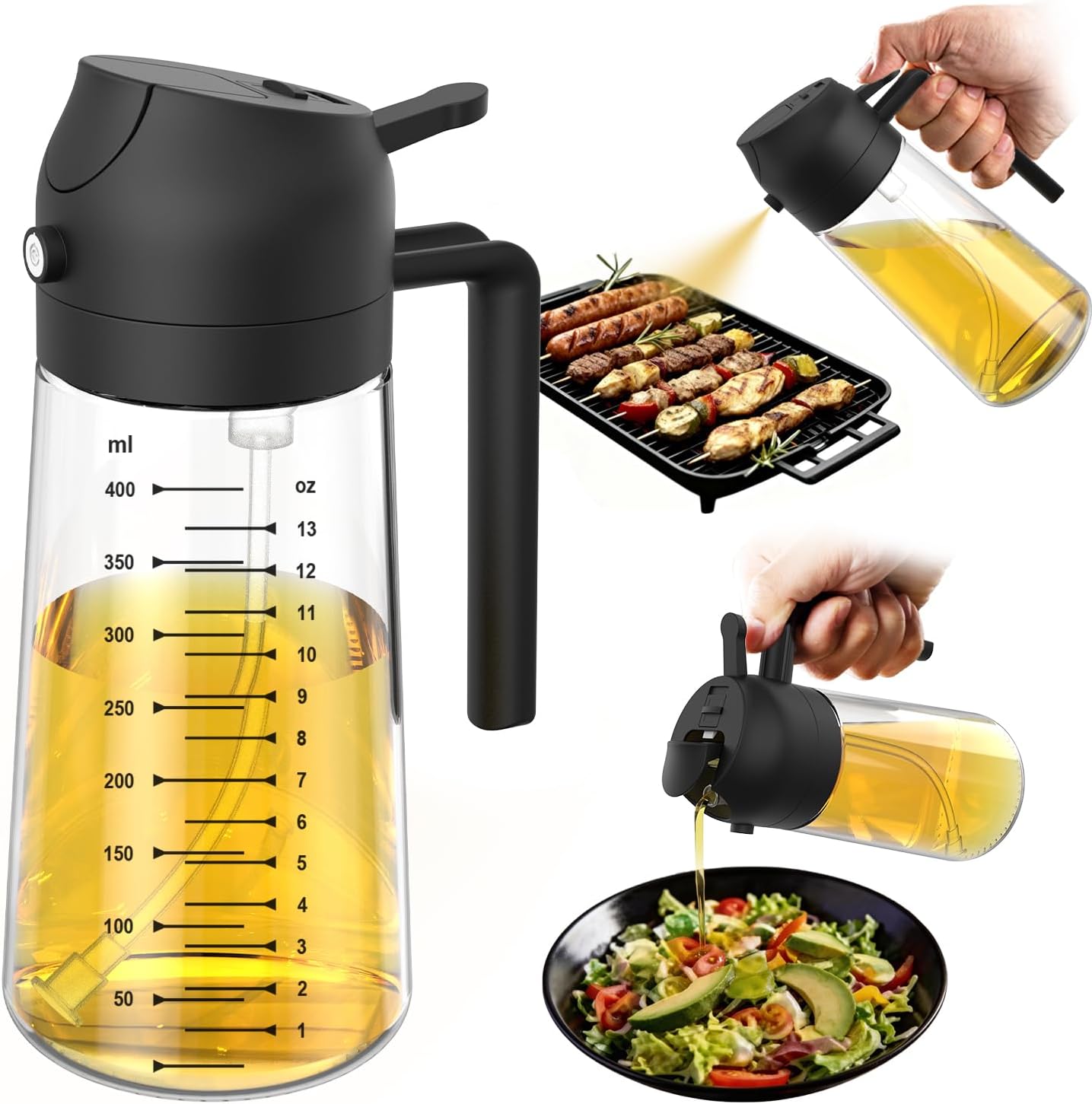
Recommended Product: TrendPlain Olive Oil Sprayer
This reusable glass olive oil sprayer creates a fine mist that evenly coats vegetables, salads, roasting pans, and air fryer baskets. It helps reduce waste while giving cooks better control over the amount of oil used in everyday meals.
Its refillable design also reduces the need for disposable aerosol cooking sprays.
Check Price on AmazonIn Part 2, we'll explore whether extra virgin olive oil is actually safe for cooking at higher temperatures, debunk common myths, explain how to identify authentic high-quality olive oil, examine findings from major Mediterranean diet studies, and introduce another practical kitchen tool that complements healthy cooking.
Can You Cook with Extra Virgin Olive Oil?
One of the biggest misconceptions about extra virgin olive oil is that it should only be used for salads or drizzled over finished dishes.
Modern research tells a different story.
Extra virgin olive oil is suitable for many everyday cooking methods, including sautéing, roasting, baking, and pan cooking at typical household temperatures.
Its natural antioxidants and monounsaturated fats contribute to its stability during normal cooking conditions.
Many Mediterranean families have cooked with extra virgin olive oil for generations, using it for vegetables, fish, poultry, soups, legumes, and even certain baked dishes.
Understanding the Smoke Point
The smoke point is the temperature at which an oil begins producing visible smoke.
Although people often focus only on smoke point, scientists now recognize that oxidative stability is equally important.
Extra virgin olive oil contains natural antioxidants and relatively high levels of monounsaturated fat, making it more stable than many people assume.
For most home cooking methods, extra virgin olive oil performs very well.
| Cooking Method | Suitable for EVOO? |
|---|---|
| Salad Dressings | Excellent |
| Sautéing | Excellent |
| Roasting Vegetables | Excellent |
| Baking | Very Good |
| Deep Frying | Possible, but not usually necessary for everyday cooking |
Avoid heating any cooking oil until it smokes. This recommendation applies not only to olive oil but to virtually every cooking fat.
Common Myths About Extra Virgin Olive Oil
Myth 1: Heating Destroys All Nutrients
Some heat-sensitive compounds decrease during cooking, but extra virgin olive oil still retains many beneficial characteristics during normal household cooking.
Myth 2: Light-Colored Olive Oil Is Better
The color of olive oil depends on olive variety, harvest time, and natural pigments. Color alone does not indicate quality.
Myth 3: Expensive Always Means Better
Price can reflect production methods and origin, but it is not a guarantee of superior quality.
Freshness, proper storage, certification, and harvest date often matter more.
Myth 4: Olive Oil Lasts Forever
Unlike wine, olive oil does not improve with age.
Fresh oil generally provides the best flavor and highest levels of naturally occurring antioxidants.
Heat, light, and oxygen gradually reduce the quality of extra virgin olive oil over time.
How to Choose High-Quality Extra Virgin Olive Oil
The supermarket shelf may contain dozens of olive oils that appear similar.
Here are several features worth checking.
Look for a Harvest Date
Freshness is extremely important. Whenever possible, choose oils that display a harvest date rather than only an expiration date.
Choose Dark Bottles
Dark glass helps protect the oil from damaging light exposure.
Read the Label
Many quality producers clearly identify:
- Country of origin.
- Harvest season.
- Extra virgin designation.
- Cold extraction or cold pressing.
Taste Matters
High-quality extra virgin olive oil often has:
- Fresh grassy notes.
- Fruit-like aroma.
- Slight bitterness.
- A gentle peppery finish.
These characteristics often reflect the presence of natural polyphenols.
If olive oil smells stale, waxy, or resembles crayons, it may have oxidized and lost much of its desirable flavor.
Real-Life Example: The Mediterranean Diet and the PREDIMED Study
One of the most influential nutrition studies ever conducted is the PREDIMED (Prevención con Dieta Mediterránea) trial, which investigated the effects of a Mediterranean dietary pattern.
Participants following a Mediterranean-style diet supplemented with extra virgin olive oil demonstrated important health benefits compared with certain control dietary patterns.
Researchers emphasized that the benefits came from the overall dietary pattern—including vegetables, fruits, legumes, nuts, fish, whole grains, and extra virgin olive oil—not from olive oil alone.
This finding reinforces one of the central principles of modern nutrition science: healthy foods work best together.
The PREDIMED trial helped establish the Mediterranean diet as one of the world's most extensively researched healthy eating patterns.
A Helpful Kitchen Tool for Fresh Olive Oil
Proper storage helps preserve flavor and quality after opening.
Keeping olive oil in a dark, well-sealed bottle with an easy-pour spout reduces unnecessary exposure to air and light while making everyday cooking more convenient.

Recommended Product: AOZITA Glass Olive Oil Dispenser Bottle
This dark glass dispenser helps protect extra virgin olive oil from light exposure while providing a controlled pour for cooking, baking, salads, and marinades. Its drip-free spout reduces mess and helps minimize waste in everyday cooking.
Many home cooks also appreciate using separate dispensers for olive oil and vinegar to simplify healthy meal preparation.
Check Price on AmazonIn Part 2B, we'll explain how to store extra virgin olive oil properly, answer the most common questions about everyday use, summarize the key takeaways, and provide scientific references, the medical disclaimer, SEO description, and article category.
How to Store Extra Virgin Olive Oil Properly
Even the highest-quality extra virgin olive oil can lose its fresh flavor and valuable natural compounds if it is stored incorrectly. Fortunately, protecting your oil is simple.
Keep It Away from Light
Ultraviolet light accelerates oxidation, gradually reducing both flavor and quality. This is one reason premium olive oils are commonly sold in dark glass bottles or metal containers.
Avoid Heat
Do not store olive oil next to the stove, oven, dishwasher, or in direct sunlight. Warm temperatures speed up the oxidation process.
Close the Bottle Tightly
Every time the bottle is opened, oxygen enters the container. Keeping the cap tightly closed helps slow oxidation and preserves freshness.
If you use olive oil only occasionally, purchasing a smaller bottle may be a better choice than buying a very large container that remains open for many months.
Store extra virgin olive oil in a cool, dark cupboard rather than inside the refrigerator. Refrigeration is usually unnecessary for everyday household storage and may temporarily cause the oil to become cloudy.
Simple Ways to Use Extra Virgin Olive Oil Every Day
You don't need gourmet recipes to enjoy the benefits of extra virgin olive oil.
Here are some easy ideas:
- Drizzle over roasted vegetables.
- Mix with balsamic vinegar for a quick salad dressing.
- Add to homemade soups before serving.
- Brush onto whole-grain bread before toasting.
- Use in marinades for chicken or fish.
- Replace butter in many baking recipes.
- Stir into cooked beans or lentils.
- Finish pasta dishes with a light drizzle.
- Use when roasting potatoes or sweet potatoes.
- Blend into homemade hummus.
Replacing heavily processed fats with extra virgin olive oil as part of a balanced dietary pattern can be a simple step toward healthier home cooking.
Frequently Asked Questions
Is extra virgin olive oil healthier than regular olive oil?
Extra virgin olive oil undergoes less processing and naturally retains more polyphenols, antioxidants, and flavor compounds than refined olive oil.
Can I use extra virgin olive oil every day?
Yes. Many healthy dietary patterns, including the Mediterranean diet, include regular use of extra virgin olive oil as part of balanced meals.
Should I refrigerate olive oil?
For most households, refrigeration is unnecessary. Store the bottle in a cool, dark place away from heat and sunlight.
How long does extra virgin olive oil stay fresh?
Although shelf life varies between products, many experts recommend using olive oil within several months after opening to enjoy its best flavor and quality.
Can extra virgin olive oil replace butter?
In many recipes, yes. Olive oil can often replace butter in sautéing, roasting, dressings, and even certain baked goods.
Does olive oil help make vegetables taste better?
Many people find that the rich flavor of extra virgin olive oil enhances vegetables, making healthy meals more enjoyable and easier to include regularly.
Conclusion
Extra virgin olive oil has earned its reputation through centuries of culinary tradition and decades of scientific research.
Its combination of monounsaturated fats, naturally occurring antioxidants, polyphenols, and outstanding flavor makes it one of the most versatile ingredients in a healthy kitchen.
Perhaps its greatest strength is not that it is a "superfood," but that it encourages healthier cooking habits overall. When paired with vegetables, legumes, whole grains, fish, fruits, and other minimally processed foods, extra virgin olive oil becomes an important part of one of the world's best-studied eating patterns.
You don't need complicated recipes or expensive equipment to benefit from it. Simple everyday meals prepared with quality ingredients often provide the greatest long-term rewards.
Healthy cooking is rarely about one perfect ingredient. It is about consistently making small, smart choices—and extra virgin olive oil is one of the easiest and most delicious places to start.
Scientific References
- Estruch R, et al. Primary Prevention of Cardiovascular Disease with a Mediterranean Diet (PREDIMED). New England Journal of Medicine.
- International Olive Council. Olive Oil Standards.
- European Food Safety Authority. Scientific Opinion on Olive Oil Polyphenols.
- Harvard T.H. Chan School of Public Health. The Nutrition Source – Olive Oil.
- American Heart Association. Healthy Cooking Oils.
- United States Department of Agriculture. FoodData Central – Olive Oil.
- National Institutes of Health – Office of Dietary Supplements. Vitamin E Fact Sheet for Consumers.
- World Health Organization. Healthy Diet Fact Sheet.
Medical Disclaimer
This article is intended for educational and informational purposes only and should not be considered medical, nutritional, or dietary advice. Individual nutritional needs vary depending on age, medical conditions, allergies, medications, and other personal factors.
If you have a chronic health condition, require a specialized diet, or have questions about your fat intake or overall nutrition, consult a qualified physician or registered dietitian before making significant dietary changes.
The authors and publishers of this website assume no responsibility or liability for any injury, loss, or damage resulting from the use or misuse of the information presented in this article.

